Resources for Educators

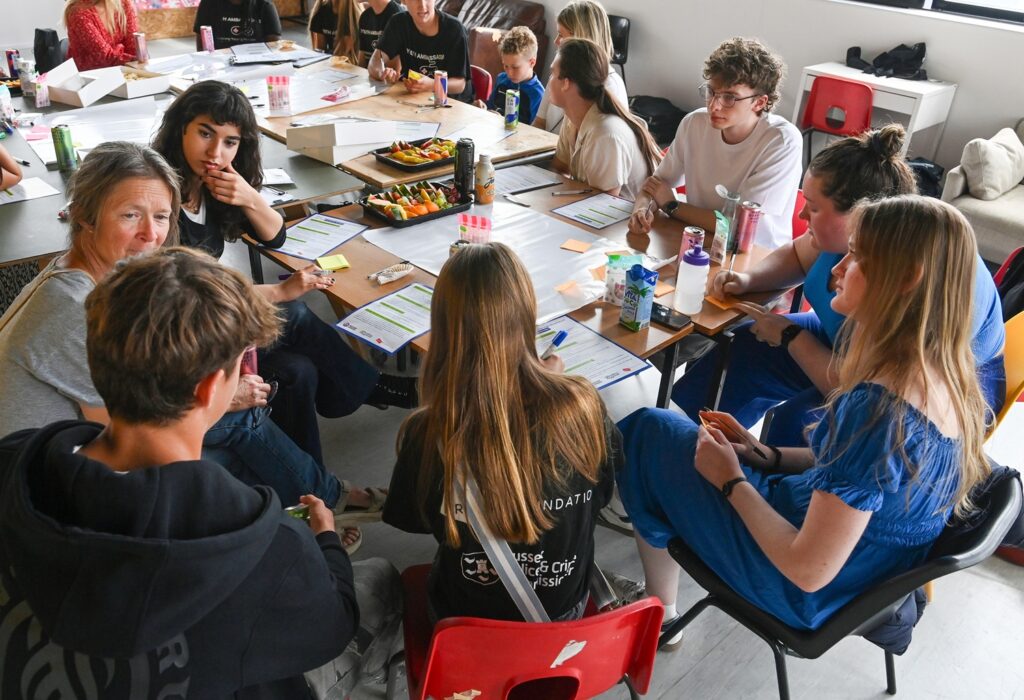
Online safety, education and media organisations and experts wrote to the Government calling for media literacy to be urgently made a national priority.
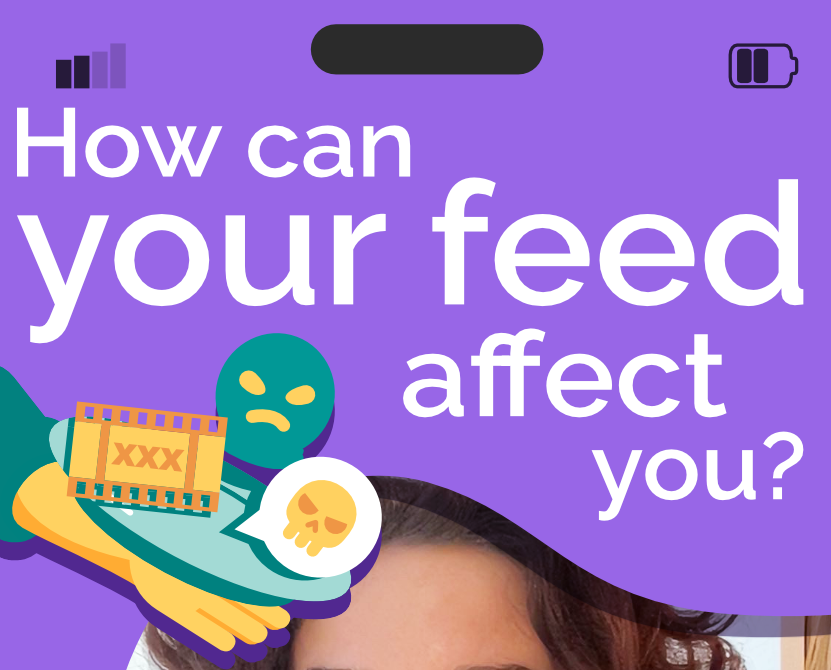
Designed for use in lessons, group discussions or one to one conversations, these short videos explore a range of topics, from the influence of algorithmically recommended content and social media feeds to the role online spaces can play in shaping how we think, feel and see the world around us.
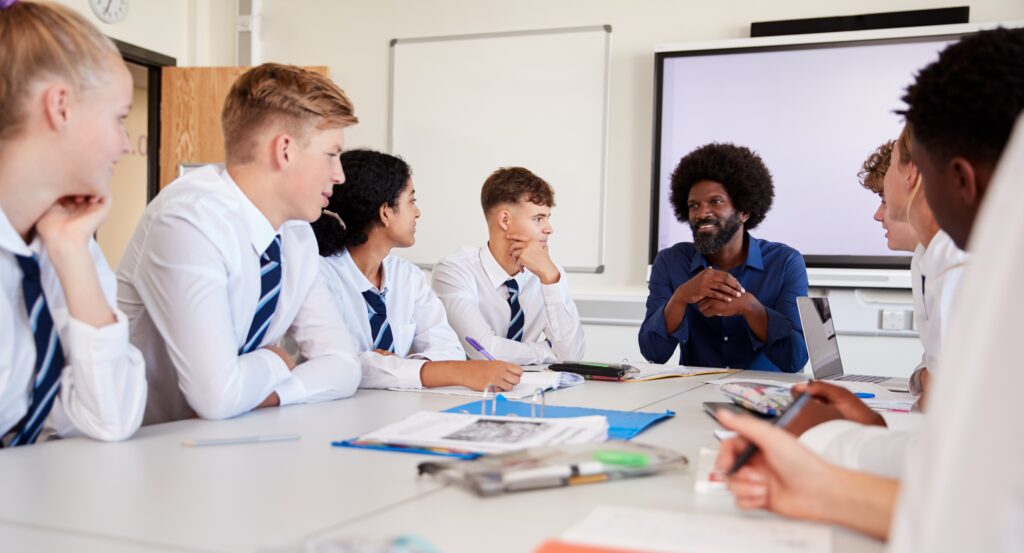
New research by MRF and the University of Bristol highlights significant gaps in how secondary schools currently support children to safely navigate social media.

This guide supports parents, carers and trusted adults to move beyond asking young people what they do online and instead explore who and what is influencing their thoughts, feelings, choices and behaviour.

This guide helps parents and carers understand how algorithms influence what children see online, while offering practical steps and conversation prompts to keep them safe, informed, and in control of their digital experiences.
This guide supports educators to explore stories like Molly’s safely and meaningfully in school settings.

This guide helps parents and teachers support young people to recognise harmful or unsettling content online and understand how it can affect their feelings and wellbeing.

This KS2 lesson helps pupils understand that being safe online means making good choices, using safety tools, taking more than one step to stay safe and knowing where to go for help if something worries them.
A KS2 lesson that helps pupils recognise the feelings that can arise when they see new or unexpected content online, spot signs that something doesn’t feel right and explore simple steps to take.