Policy and Influencing

Technology plays a role in at least one in four deaths by suicide among young people aged 10 to 19, and we now lose a young person to technology-influenced suicide every single week.
Across the country, children and families are being left to experience the devastating consequences of inaction from tech firms. Although progress has been made, urgent and decisive action is still needed to build and strengthen legislative and regulatory guardrails that can turn the tide on preventable online harm.
Our policy work sets out to,
Since the UK Social Media Ban announcement, we have pulled together a resource hub of information and guidance to help families understand the implications and navigate current uncertainty.
Our Roadmap for a better online future launched early 2026 sets out a five-point plan with further changes that will deliver meaningful change to protect children online in the long-term.
Watch the Roadmap Westminster launch event video below.


If the Government is to succeed in its policy objectives, the scope and design of these restrictions must be actively informed by young peoples’ needs.

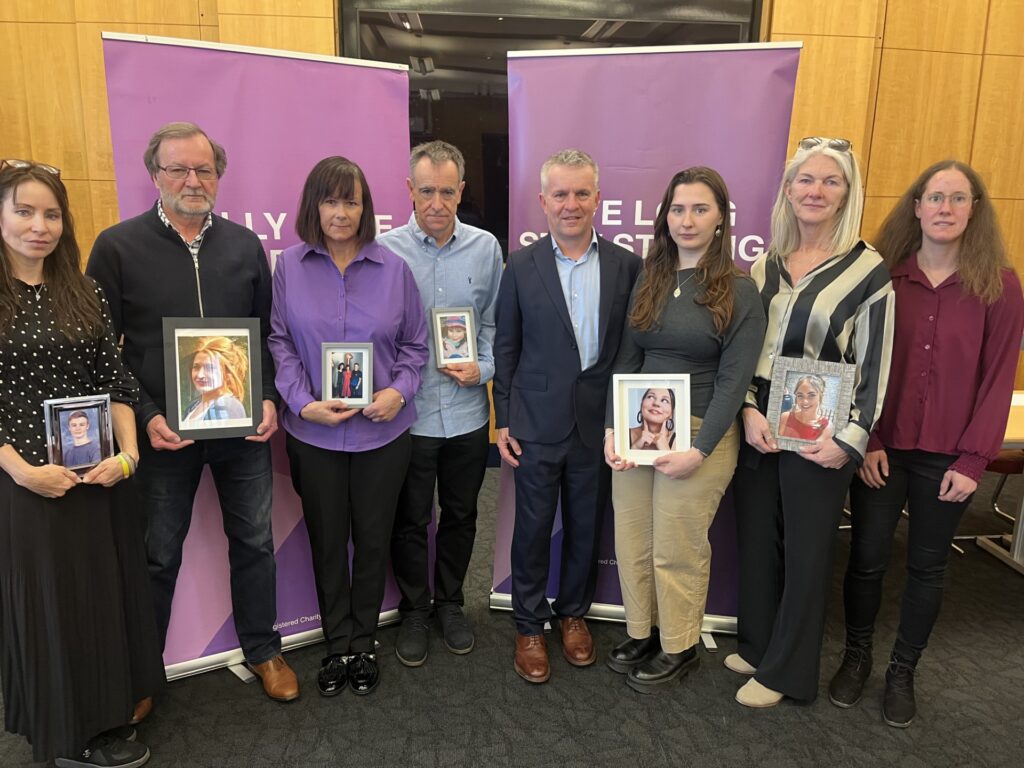
Bereaved families and a survivor have written to Andy Burnham to demand a public inquiry into a suicide grooming forum which has been linked to 164 UK deaths.

New research by MRF and the University of Bristol highlights significant gaps in how secondary schools currently support children to safely navigate social media.

Research finds that teenagers continue to be exposed to harmful levels of suicide, self-harm, depression and eating disorder content on major social media platforms.

Our new research has found half of girls are still being exposed to high risk suicide, self-harm and depression content after the Online Safety Act came to force.

Urgent and decisive action is needed to address the preventable harm faced by young people on social media, gaming platforms, messaging services and AI chatbots.

We are dedicated to ensuring that children and young people are protected from online harm to bring an end to preventable deaths by suicide where technology plays a role.
The watchdog also said it will apply for a court order to block the forum in the UK if its concerns are not addressed.
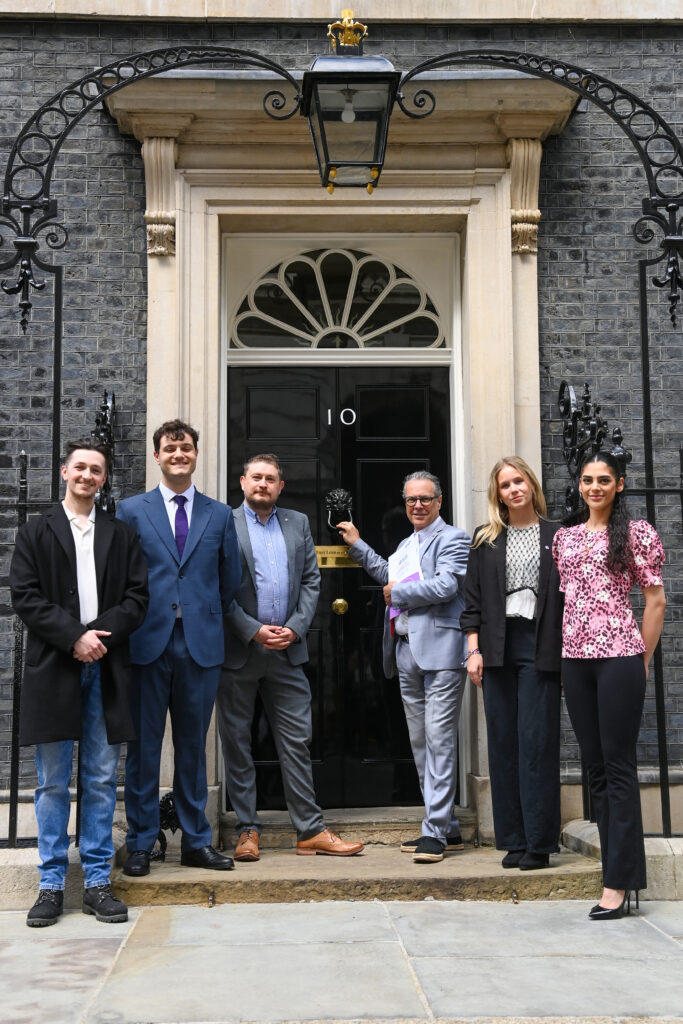
A letter, signed by over 1,300 Molly Rose Foundation supporters, was hand delivered to Number 10.

Molly Rose Foundation warns it would be a ‘high stakes gamble’ for the UK to implement an Australia-style ban at this stage.