Resources


This guide helps parents understand the recent social media ban announcement and what it may mean for children and families.

This guide helps parents and carers understand how algorithms influence what children see online, while offering practical steps and conversation prompts to keep them safe, informed, and in control of their digital experiences.
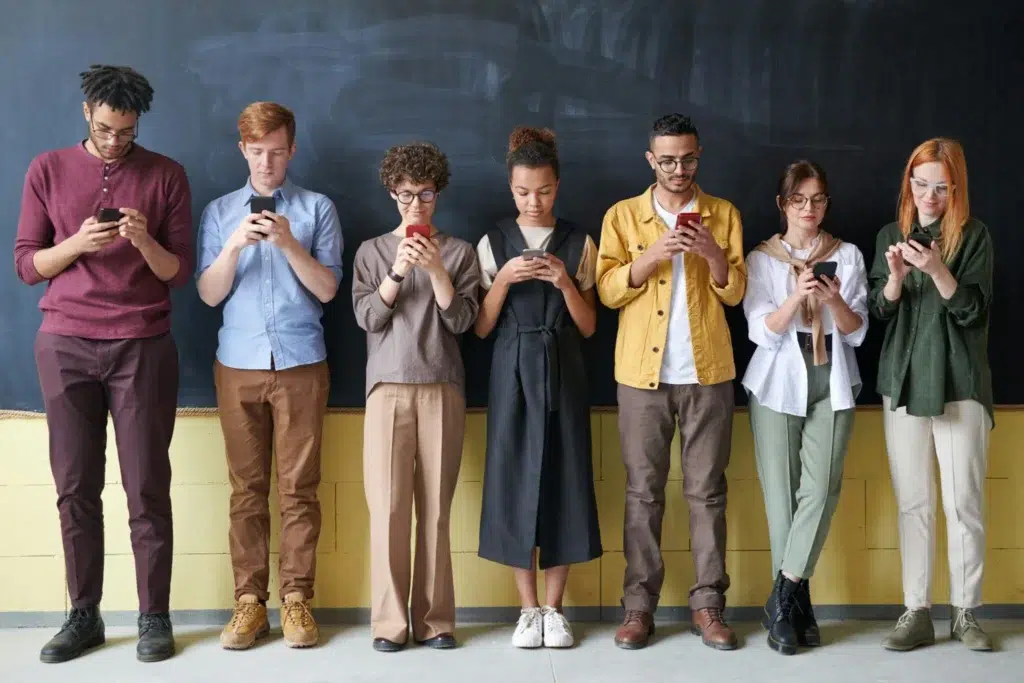
Research finds that teenagers continue to be exposed to harmful levels of suicide, self-harm, depression and eating disorder content on major social media platforms.

Our new research has found half of girls are still being exposed to high risk suicide, self-harm and depression content after the Online Safety Act came to force.

Urgent and decisive action is needed to address the preventable harm faced by young people on social media, gaming platforms, messaging services and AI chatbots.
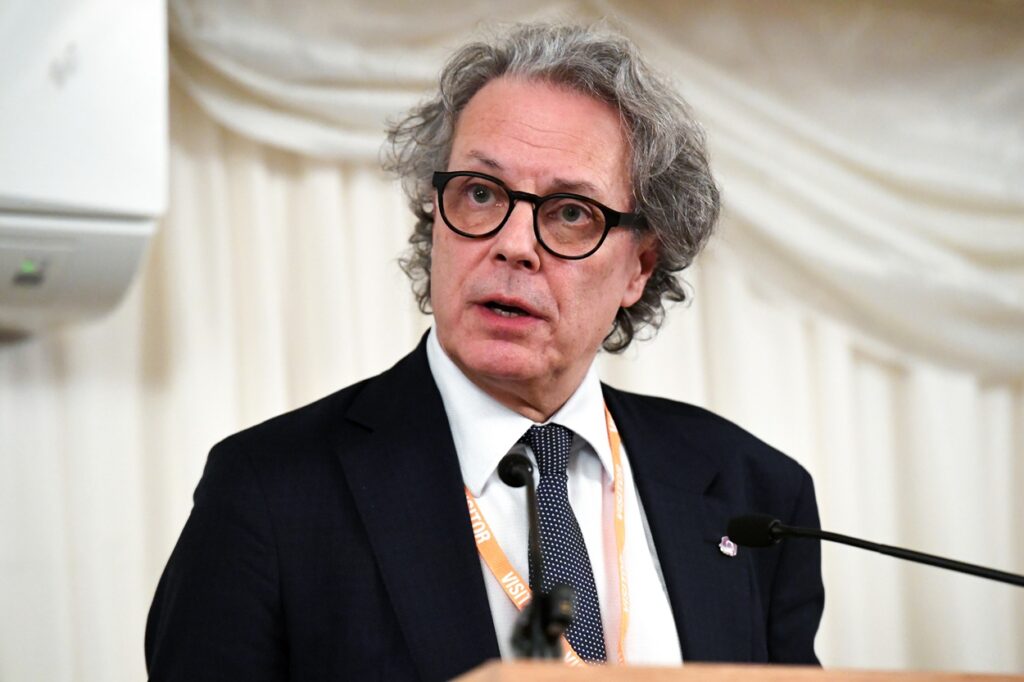
Ian Russell has written to the Prime Minister urging him to go beyond a blanket ban and make safety and wellbeing the price for entry to the UK market.
Research briefing with the results of a large-scale polling on young people in Australia as to the efficacy of the social media ban (April 2026)

Resources to give MPs a clear and practical way to understand what matters most to the people they represent and to make sure their views help shape the next steps in online safety.
A 2026 research briefing showing strong support from the UK public for new legislation to protect young people on social media.