Education

The influence of online content and experiences can have a profound impact on young people and supporting them to navigate this is a vital part of keeping children safe. Every week, a young life is lost to suicide where technology has played a role. Together we can change that.
As an educator, you have a unique opportunity to help young people think critically about what they see online and understand how platform design choices can lead to harm. Our age-appropriate resources focus on building critical thinking skills, helping young people to recognise harmful content, understand how cumulative harms build up through platform design, and know how to seek support. From lesson plans and classroom activities to guides for teachers, with the right tools, you can be the difference for young people.
These free activity packs for primary school pupils (Key Stage 2) aged between 7-11, are great for supporting PSHE lessons and for any other occasion when it is important to reflect on happy memories and gain strength from these.
This 30 – 60mins service is currently available in north west London, but if you’re keen to use it elsewhere, please get in touch. To read more about the “My Bag of Happiness” activity click here
To request an activity kit, please contact our training team training@mollyrosefoundation.org

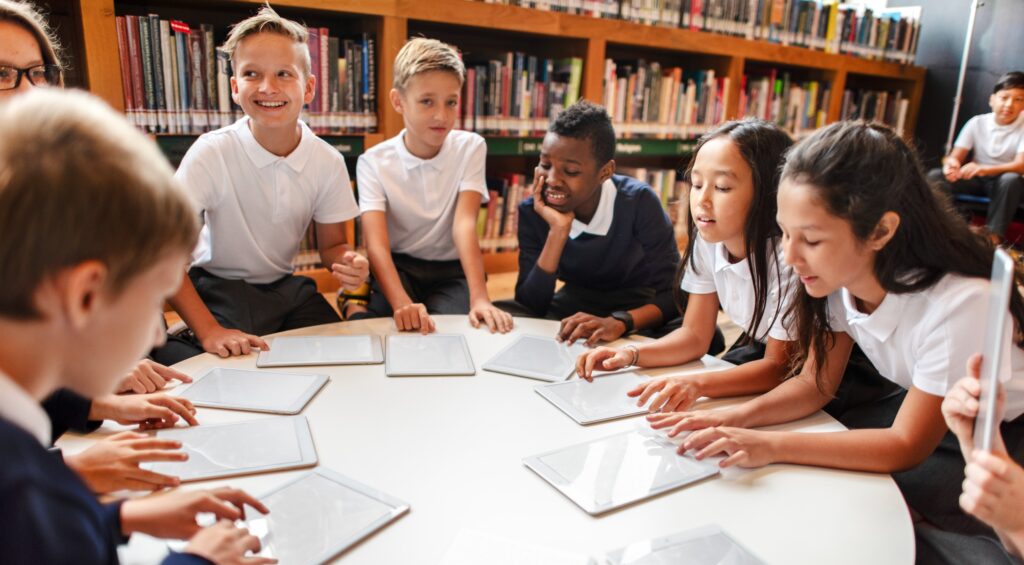
A KS2 lesson that helps pupils understand how recommendations are made and why they are not always safe, using critical thinking to make better choices online.

This KS3 to 4 lesson helps young people explore how their online experiences can affect their wellbeing, exploring what content lifts them up vs pulls them down and simple steps to stay in control.

A KS3 to 4 resource that explores what content algorithms do, the posts they prioritise, how this can create echo chambers and rabbit holes and how these patterns shape how people think, feel and behave online.
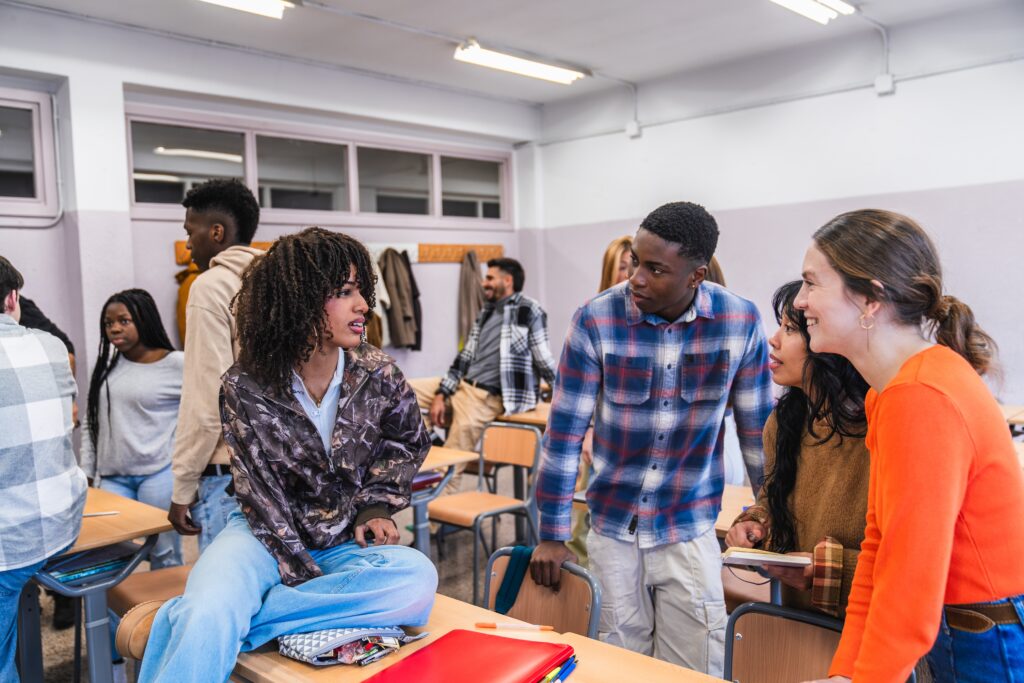
This KS3 to 4 lesson helps young people understand that online content sits on a spectrum from healthy to harmful, learn how algorithms shape their feeds and explore simple ways to stay in control.
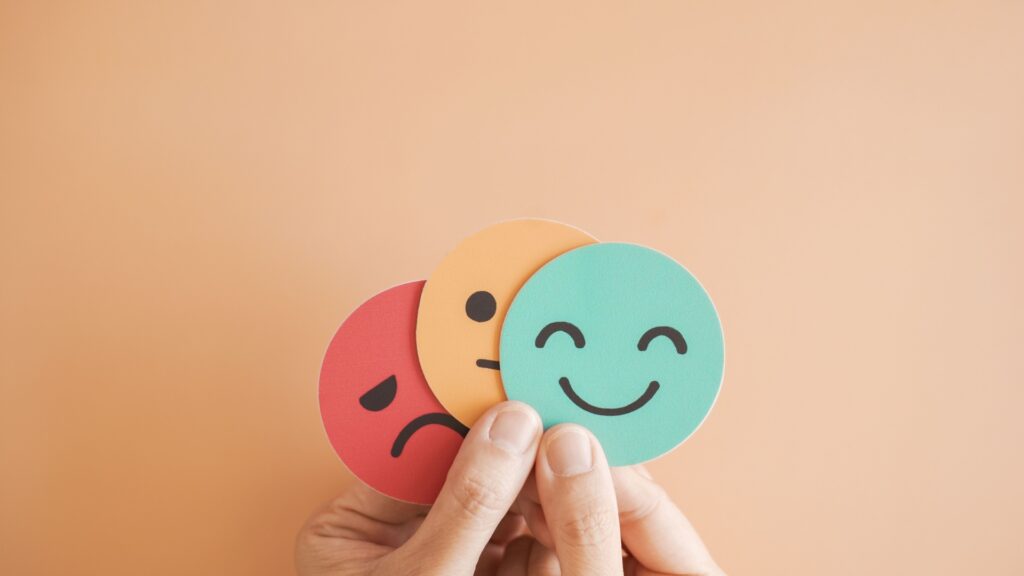
2025’s theme for Children’s Mental Health Week is Know Yourself, Grow Yourself. If you are a teacher or youth worker here is a diary resource suitable for KS2
2025’s theme for Children’s Mental Health Week is Know Yourself, Grow Yourself. If you are a teacher or youth worker here is a diary resource aimed at Year 2
Over 12,000 children, parents, and professionals reached since 2020 with education and support resources.
“My Bag of Happiness” resources delivered to children in schools throughout 2025 to support mental health and well-being.
help cards sent in 2025 to schools, youth groups and healthcare settings signposting young people to vital mental health services.