Molly Vs the Machines

Molly Vs the Machines is a documentary film that shows how social media platforms put profit before safety and exposed Molly to a dark world of harmful content which played a significant role in her death.
“This is not a tragedy of the past. Tech-driven, preventable harm is contributing to the death of one young person a week by suicide.
“We need urgent action to once and for all to design the harm out and hold Big Tech to account, protecting children now and for generations to come. With bold and ambitious action, the UK can take a stand. It’s in our power to ensure there are no more stories like Molly’s and instead create the hopeful, better future that every child deserves.”
Ian Russell, Molly’s Dad and Chair of Molly Rose Foundation
Harmful tech is not inevitable and with decisive action change can be achieved. Join our campaign and demand:
Let’s fix tech to protect our teens.
Watching Molly Vs the Machines will understandably alarm many people, particularly parents. If you’re worried and want to make practical changes now you read through the steps below that can help keep your child safe online.
Start with curiosity and ask open questions to show genuine interest in what they enjoy online, such as “What’s the most interesting thing you’ve seen recently?” or “How do you decide what to click on when you’re scrolling?”.
Listen without judgement, recognising that the digital world is a big part of your child’s life. You don’t need all the answers, what matters most is listening openly and seeing things from their perspective. When they share things you might say, “Can you tell me more about that?” or “How do you feel about that?”.
Explore platform design together, considering how the way platforms are built can shape online experiences and affect wellbeing. Talk about features like algorithms and likes, and how they might influence what your child sees and how they feel. Try asking, “Why do you think your feed looks different from someone else’s?” or “Do you think algorithms can influence your mood?
Help your child spot harmful content by talking about how some posts can encourage harmful behaviours or make difficult feelings worse, even if they seem helpful at first. Explain that content promoting self-harm, eating disorders, or discouraging getting help is unsafe, and constant exposure can affect wellbeing. Remind them that not all harmful content is obvious. It can appear as relatable posts or artwork. You could ask them how they decide if a post is safe or helpful.
Support your child to put their safety and wellbeing first online by considering what they follow and engage with. Unfortunately, it can be difficult to break the pattern of algorithms but taking steps like unfollowing harmful accounts and muting harmful content can be helpful. You could ask them, “Are there any accounts that make you feel stressed or low?” and “What kind of content helps you feel good about yourself?”.
Focus on values, not just rules, by encouraging kindness, respect, and critical thinking in online spaces. These are important skills which can be used across platforms and can support young people to navigate online spaces safely.
Role model healthy relationships with technology by taking regular breaks and discussing when you notice changes in your feed or the impact being online is having on you. This will help your child to see you as someone who understands the realities they may be facing.
Explore safety and wellbeing settings together across the devices and apps your family uses. These settings will help you restrict harmful content and set usage limits to manage how long you spend online.
Keep the conversation open and reassuring, making online safety a regular, relaxed topic so your child knows you’re interested in their digital life and there to support them. Remind them they matter and that their safety and wellbeing are always more important than any rule.
We know that when stories like Molly’s are covered in the media or discussed by adults, young people may naturally ask questions.
This guide offers 5 ways you can safely explore the issues raised in Molly’s story with
children and young people.

The film shows how the business models of tech companies prioritise profit over safety, and how the risks created by unsafe algorithms continue to harm young people today.
It doesn’t have to be this way. Harmful tech is not inevitable.
If the Government acts now with courage and determination, the product safety risks that caused Molly’s death can become a thing of the past.
Molly’s death was preventable and there’s hope for the future.
Our vision is for an online world in which children are safe by design – protected from preventable harm driven by the unchecked business models and reckless product choices made by Big Tech, and where young people’s wellbeing is designed in from the start – not as an afterthought.

Join our campaign and demand
Let’s fix tech to protect our teens.

We lose one young person to suicide where technology plays a role every week in the UK. It’s our belief that suicide is preventable with the right education in place together with better regulation and policy change.
Live Long and Stay Strong where words written by Molly Russell in the weeks before her death that have become the cornerstone of everything Molly Rose Foundation does today.
We influence policy makers, raise the voice of lived experience and deliver education and support to reduce preventable suicide and address online harm.
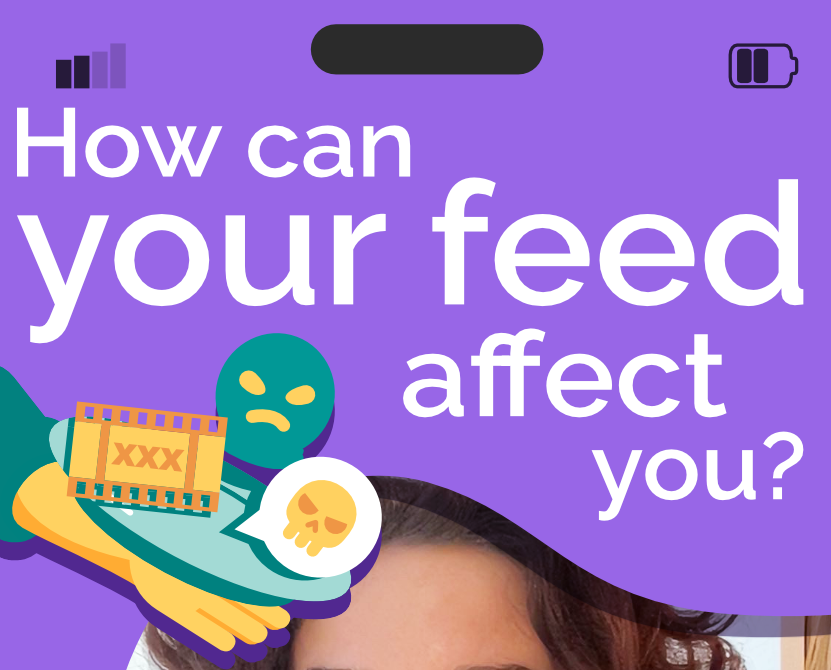
Designed for use in lessons, group discussions or one to one conversations, these short videos explore a range of topics, from the influence of algorithmically recommended content and social media feeds to the role online spaces can play in shaping how we think, feel and see the world around us.

This guide supports parents, carers and trusted adults to move beyond asking young people what they do online and instead explore who and what is influencing their thoughts, feelings, choices and behaviour.

This resource gives tips and guidance on how to have an open and constructive conversation with children and young people about the social media ban.

This guide helps parents to understand how to support their family through the social media ban announcement, including children with SEND.

This guide helps parents understand the recent social media ban announcement and what it may mean for children and families.

This guide helps parents and carers understand how algorithms influence what children see online, while offering practical steps and conversation prompts to keep them safe, informed, and in control of their digital experiences.