Research & Evidence

Molly Rose Foundation generates high-quality evidence and insights to inform and empower the online safety sector. In conjunction with our Lived Experience networks, we underpin our policy and legislative objectives to create powerful calls for change.
Our research programme is focused on identifying and tracking online harm, understanding links to mental health and wellbeing in young people, highlighting products that have potential to cause online harm and identifying and understanding solutions with the aim to push for the systemic conditions and changes needed to deliver them.
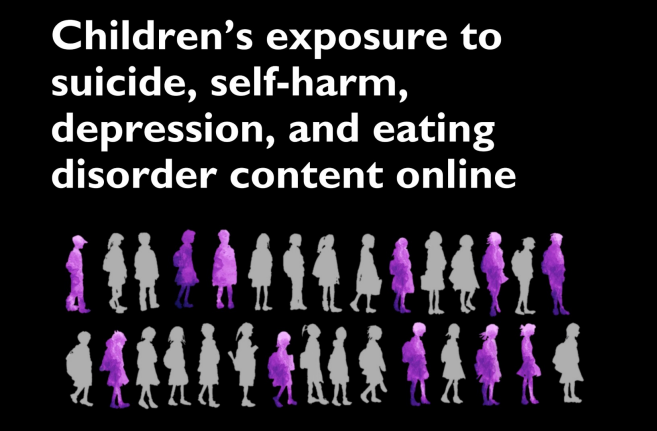
immediately before the Online Safety Act came into effect (Oct 25)

Collaborative report revealing how Instagram is failing to protect minors (Sept 25)

Suicide, self-harm and intense depression content on TikTok and Instagram, and how their algorithms recommend it to teens (Aug 25)

Report setting out how a substance and suicide forum costs lives and the state missed countless chances to act (Oct 25)
This report is the first major analysis of DSA transparency data relating to content moderation decisions relating to suicide and self-harm material.
were exposed to high risk suicide, self-harm, depression or eating disorder content on major social media platforms in the previous week. (Jun 26 report)
recall seeing content they found upsetting or distressing on social media. This is higher for girls and children with low wellbeing. (June 26 report)
of children with SEND had seen high risk suicide, self-harm, depression or eating disorder content in the last week, (Oct 25 report)
of Meta’s safety tools are either substantially ineffective or no longer existed. Just 1 in 5 worked as described (Sept 25 report, Teen Accounts, Broken Promises)
of recommended harmful posts on TikTok’s ‘for you page’ contained references to suicide and self-harm ideation (Aug 25, Pervasive by Design report)
Instagram reels and 96% TikTok videos were found to be harmful (Aug 25, Pervasive by Design report)

Three online safety organisations said Sir Keir Starmer ignored young people’s voices when he announced Australia-style restrictions and Andy Burnham should consider more effective protections for children online.

New research by MRF and the University of Bristol highlights significant gaps in how secondary schools currently support children to safely navigate social media.
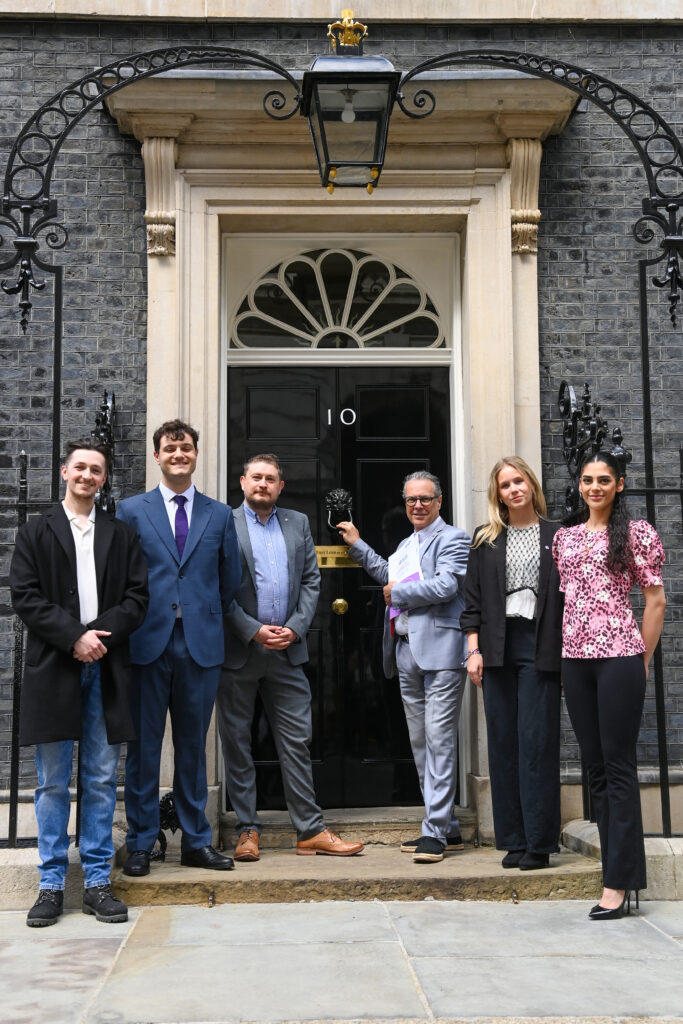
A letter, signed by over 1,300 Molly Rose Foundation supporters, was hand delivered to Number 10.

We are dedicated to ensuring that children and young people are protected from online harm to bring an end to preventable deaths by suicide where technology plays a role.
